
A living income for the informal waste sector
A methodology to assess the living income of waste workers in the context of the Global Plastics Treaty

Case Studies

Brazil
Downloads
Country Reports
Detailed Reports
Input tables


Colombia








Explore the phases
Phase 1
Methodology to assess the living income of waste workers, and report revealing the gap between incomes of informal waste pickers in Brazil, Ghana and India.

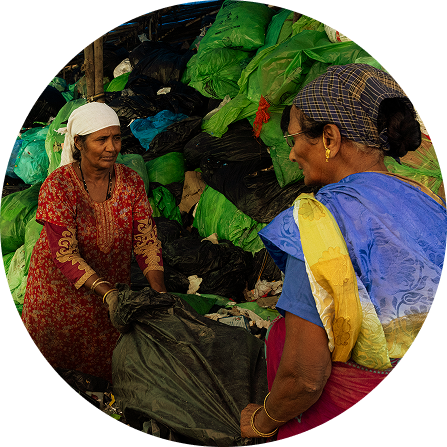
Phase 2
Summary of results from 11 case studies conducted in Kenya, Brazil, India, Nigeria, Philippines, Ecuador and Chile.
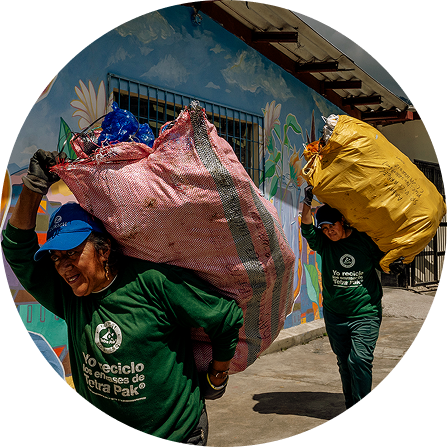
Phase 3
Toolkit providing a step-by-step methodology to assess living incomes for informal waste picker communities.
About the report
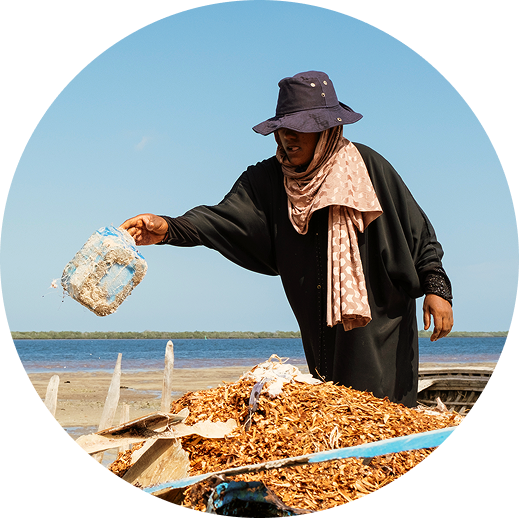
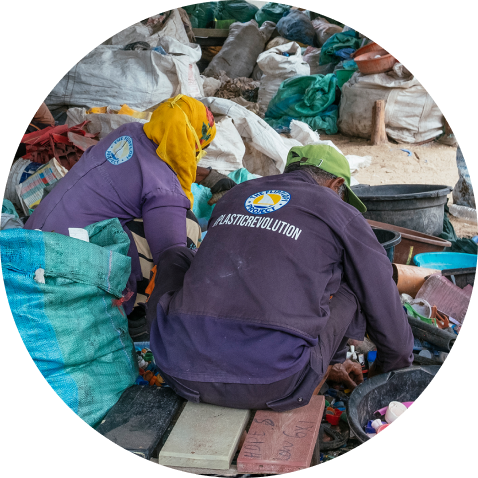
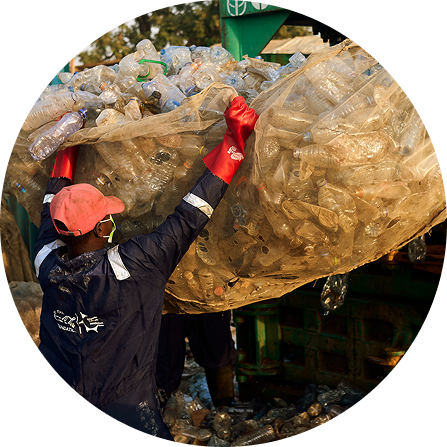
A Living Income for the Informal Waste Sector highlights the often overlooked contribution of informal waste pickers to waste management systems and calls for improvements to their living and working conditions. It advocates for the implementation of a “living income” and leverages the Anker methodology to evaluate waste pickers’ earnings. The report reveals the gap between the current incomes of informal waste pickers in Brazil, Ghana and India and what constitutes a decent standard of living locally, emphasizing the need for policy changes to address this.
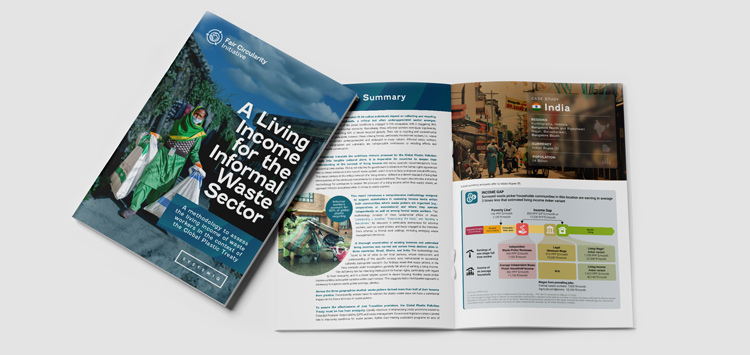
The report recommends the inclusion of clear provisions in the Global Plastics Treaty on waste management policies and extended producer responsibility to support the rights and livelihoods of informal waste workers. It also urges governments to legally recognize informal waste picking, ensure access to public services and include the input of waste pickers in policymaking.
Finally, the report introduces the Fair Circularity Initiative and its Principles for safeguarding the human rights of workers in the informal waste sector, calling on companies and stakeholders to join forces in supporting waste pickers towards a just transition.
ON BEHALF OF:
CONDUCTED BY:

Case studies by local partners:
Alianza Giro
Araucania Hub
ASKI Philippines
Association of Scraps and Waste Pickers of Lagos
CECR and ENDA
CEMPRE and ASI
Chintan Environmental Research and Action Group
Delhi Roundtable on Solid Waste Management
Earthworm Foundation and Jarak Indonesia
Flip Flopi Project
Hasiru Dala
Nigeria Climate Innovation Centre
ORIS/INSEA (ANCAT)
Ouroboros Waste Management
Pacific Recycling Foundation
You Green / Green Franquias
Consultants: Ricardo Abussafy, Dorcas Ansah, Karim Saagbul, Dr. Owusu Boampong
Advisory board organisations:
Alliance of Indian Waste Pickers
Nestlé
Tearfund
The Circulate Initiative
The University of Leeds
Women in the Informal Economy Globalizing and Organizing (WIEGO)
FURTHER INFO:
The Toolkit
The toolkit on the Living Income methodology consisted of:
- A guideline on the methodology
- A step-by-step tutorial
- Data input table
- Case study report templates.
Ways of working
Organizations were given:
- Onboarding sessions
- Toolkit materials
- Recurring support calls
- Quality control

View the study launch webinar
study launch webinar
Understanding the waste picker living income gap
Summary of results from 13 case studies conducted during phase 3 ofthe Living Income project.

Register Interest
If you are interested in becoming a member of the Fair Circularity Initiative or in partnering with us, we would like to hear from you.
Register Interest