


Respecting rights in circular value chains
The Fair Circularity Initiative brings businesses together around the aim of ensuring the human rights of workers within the informal waste sector are respected and their critical role in circular value chains is recognised.




ABOUT THE FCI
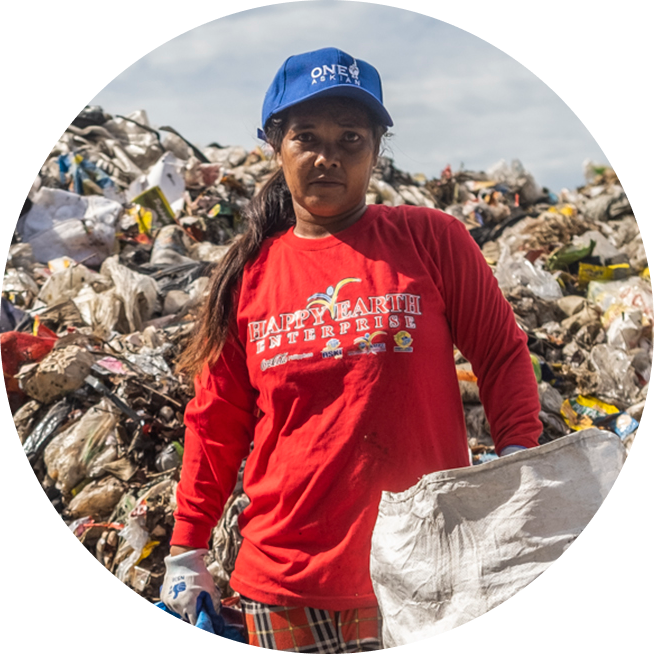
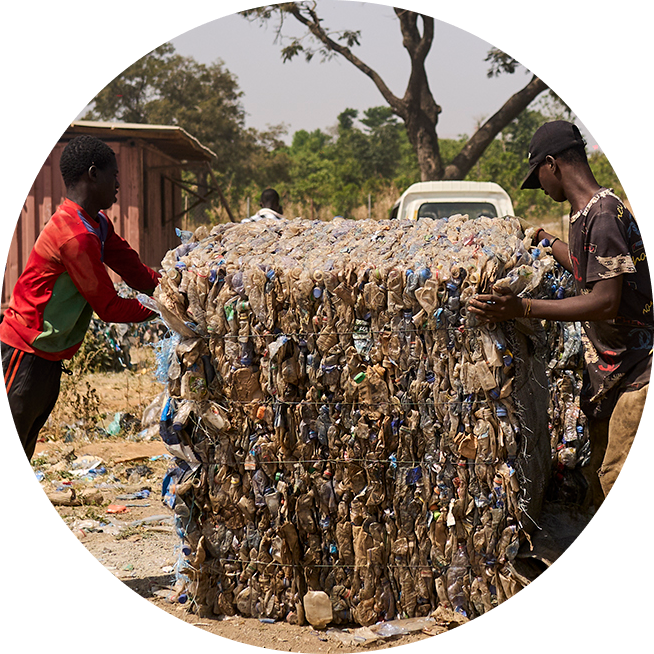
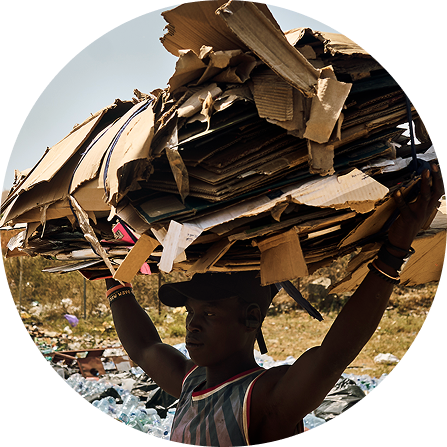
In many countries, workers in the informal waste sector play a substantial and valuable role in the collection, sorting and recycling of packaging waste and other materials. At the same time, they are vulnerable to a broad range of severe human rights impacts – meaning that even as recycling delivers positive environmental impacts, it requires heightened human rights due diligence from companies involved in plastics waste or recycling value chains. To date, however, industries and governments have, as a collective whole, not meaningfully engaged with or effectively addressed social conditions and human rights impacts in this sector. As we work to end plastic pollution – including through supporting the development of an ambitious and effective global treaty – we must also drive towards a fairer circular economy for plastics and other materials.
Common human rights impacts experienced by waste pickers
- Inadequate standard of living
- Lack of respect for freedom of association/ collective bargaining
- Lack of recognition and social stigma
- Marginalization/ discrimination/ lack of inclusion
- Exclusion from social and financial services
- Child labour and child accompaniment
- Impacts on workplace health and safety
- Impacts on other conditions of decent work

Resources
Living Income Study
A methodology to assess the living income of waste workers in the context of the Global Plastics Treaty.


Progress report
The 2024 Progress Report aims to provide an update on the progress made so far by members respectively and collectively.
Gender analysis
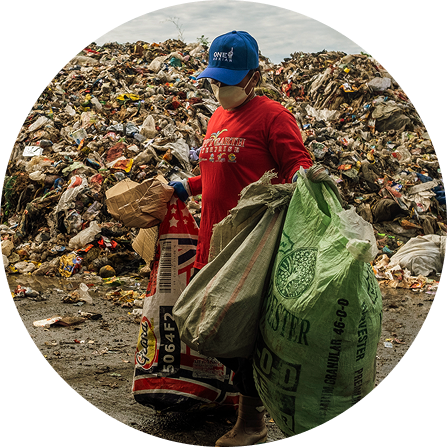
This report covers key findings from research among a small sample of informal women waste pickers working in the plastics recycling supply chain in Indonesia.
The Fair Circularity Principles
The Fair Circularity Principles, which have been informed by the perspectives of rights-holders, apply the expectations and responsibilities outlined in the UN Guiding Principles on Business and Human Rights to the informal waste sector.
Participating companies have aligned in support of the Fair Circularity Principles to demonstrate our commitment to this issue and to encourage wider uptake of, and urgent action on, the Fair Circularity Principles.
All company members will:
- advance and adopt these guiding principles in their value chains, in collaboration with waste picker organisations
- report on their progress
- encourage others to join the Fair Circularity Initiative








Convener

Secretariat


Register Interest
If you are interested in becoming a member of the Fair Circularity Initiative or in partnering with us, we would like to hear from you.
Register Interest